
Leh-Ladakh
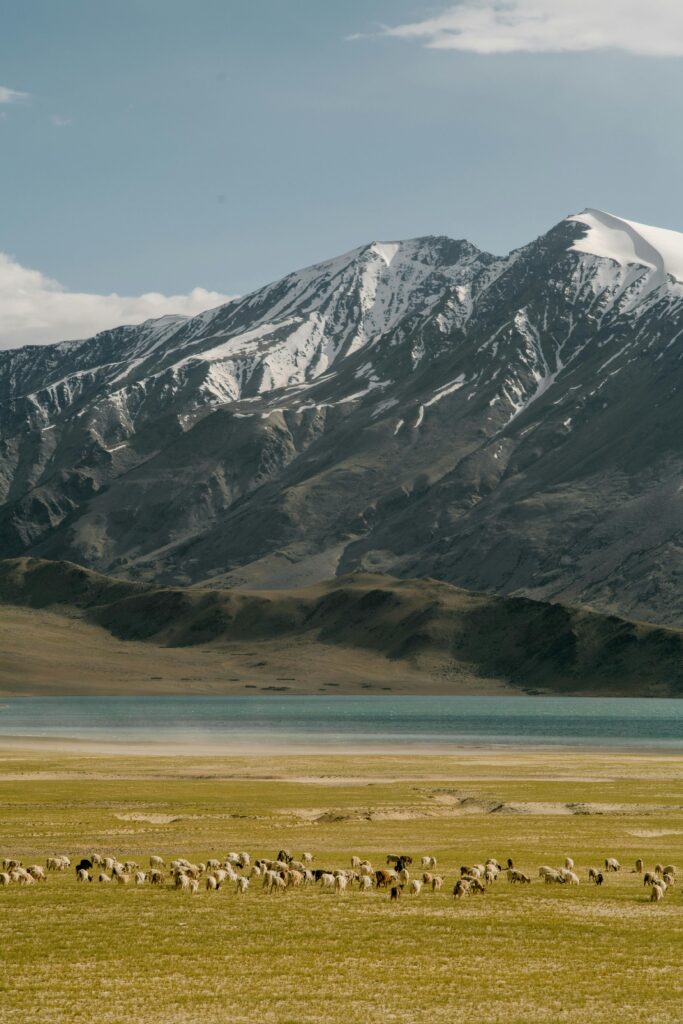
Leh-Ladakh is a breathtaking and unique region located in the northernmost part of India, nestled between the Karakoram Range to the north and the Zanskar Range to the south. It is often described as “The Land of High Passes” because of its numerous mountain passes, stunning landscapes, and a rich cultural heritage. Known for its stark beauty, rugged terrain, and spirituality, Leh-Ladakh is a must-visit destination for adventure enthusiasts, nature lovers, and those seeking tranquility.
Geography and Climate:
Leh-Ladakh is located in the high-altitude region of the Himalayas, at an average altitude of around 3,500 meters (11,500 feet) above sea level. The region is characterized by dramatic landscapes, including arid deserts, snow-capped mountains, pristine lakes, and valleys. It is home to some of the highest motorable roads in the world, such as the Khardung La Pass.
The climate in Leh-Ladakh is cold desert, with extremely cold winters and mild summers. Winter temperatures can drop as low as -30°C (-22°F), while summer temperatures range from 15°C to 30°C (59°F to 86°F), making it a popular destination for those seeking cool, dry weather. The region has minimal rainfall, making it an ideal destination for exploring rugged landscapes and enjoying outdoor activities.
Key Destinations:
- Leh: Leh is the largest city and the capital of the Leh district in Ladakh. It serves as the gateway to the region and offers a blend of rich Tibetan culture, Buddhist monasteries, and stunning landscapes. Some of the top attractions in Leh include:
- Leh Palace: A 17th-century palace offering panoramic views of the city and the surrounding mountains.
- Shanti Stupa: A white-domed stupa that offers a peaceful retreat and a beautiful vantage point to view the surrounding landscapes.
- Thiksey Monastery: A Tibetan Buddhist monastery located on a hill, resembling the Potala Palace of Lhasa, Tibet.
- Leh Market: The vibrant market in the heart of Leh, offering local handicrafts, woolens, and souvenirs.
- Nubra Valley: Located to the north of Leh, Nubra Valley is one of the most scenic and culturally rich areas of Ladakh. It is known for its dramatic landscapes, sand dunes, and beautiful monasteries. Major attractions include:
- Diskit Monastery: The oldest and largest Buddhist monastery in the Nubra Valley, famous for its 32-meter (105 ft) tall statue of Maitreya Buddha.
- Hunder: A small village in Nubra Valley known for its unique sand dunes and Bactrian camels, which are double-humped camels.
- Turtuk Village: A remote village in the northernmost part of Nubra Valley, once part of Pakistan, offering a glimpse into a unique Balti culture.
- Pangong Lake: Pangong Lake, located around 160 km (100 miles) from Leh, is one of the most iconic and stunning spots in Ladakh. The lake stretches across both India and China, with about two-thirds of its length in Tibet. The lake is famous for its ever-changing shades of blue and the surrounding mountain scenery. It is a popular spot for camping, photography, and witnessing breathtaking sunrises and sunsets.
- Tso Moriri Lake: Tso Moriri is another stunning high-altitude lake situated in the Changthang Plateau, around 240 km (150 miles) from Leh. Unlike Pangong, Tso Moriri remains relatively less crowded, making it an ideal place for solitude and reflection. The lake is surrounded by snow-capped mountains and is home to various species of migratory birds, including the endangered Tibetan Argali sheep.
- Zanskar Valley: Zanskar is a remote and rugged region located south of Leh. Known for its dramatic landscapes and challenging trekking routes, it is a place of solitude and adventure. The valley is famous for:
- Zanskar River: A major river in the region, which is known for its “Chadar Trek” (a winter trek on the frozen river).
- Phugtal Monastery: A remote Buddhist monastery built into a cliff, accessible only by a long trek.
- Pensi La Pass: A high mountain pass that provides stunning views of the Zanskar mountain range.
- Khardung La Pass: Khardung La is one of the highest motorable roads in the world, situated at 5,359 meters (17,582 feet) above sea level. It connects Leh to Nubra Valley and is a must-visit for adventure seekers and road trip enthusiasts. The pass offers spectacular views of the surrounding snow-covered peaks and valleys.
- Lamayuru Monastery: Located about 127 km (79 miles) from Leh, Lamayuru Monastery is one of the oldest and most famous monasteries in Ladakh. It is situated in a dramatic landscape known as the “Moonland,” characterized by moon-like craters and rugged hills.
Adventure Activities:
Leh-Ladakh is a haven for adventure lovers, offering a wide range of outdoor activities amidst its spectacular landscapes:
- Trekking: Ladakh is home to several challenging and scenic trekking routes. Popular treks include the Markha Valley Trek, Chadar Trek, Stok Kangri Trek (the highest trekking peak in the region), and Rupshu Valley Trek.
- Biking and Road Trips: The region is famous for its high-altitude road trips and biking routes, including the iconic Manali-Leh Highway, Leh-Nubra Valley Road, and Leh-Pangong Lake Road.
- River Rafting: The Zanskar River offers thrilling river rafting opportunities for adventure seekers. The river passes through a rugged landscape, making the rafting experience both exciting and scenic.
- Camping: There are many camping sites around Pangong Lake, Tso Moriri Lake, and Nubra Valley, allowing visitors to experience the tranquility of the region under a starlit sky.
Culture and Heritage:
Ladakh has a rich and diverse cultural heritage, influenced by Tibetan Buddhism, Islam, and other traditions. The majority of Ladakhis follow Tibetan Buddhism, and this is reflected in the region’s numerous monasteries, gompas, and stupas. Ladakhi architecture is characterized by stone buildings, flat roofs, and intricately designed prayer wheels and murals.
The Ladakhi people are known for their warmth and hospitality, and their festivals, such as Losar (Tibetan New Year) and Hemis Festival (dedicated to the warrior god, Padmasambhava), are celebrated with vibrant dances, music, and colorful costumes.
Wildlife:
Ladakh’s unique geography and environment support a diverse range of wildlife, especially in the Hemis National Park and the Changthang Wildlife Sanctuary. Some notable species include:
- Snow leopards
- Tibetan antelope (Chiru)
- Wild yaks
- Himalayan ibex
- Ladakh urial
Birdwatchers can also spot various migratory birds, including the bar-headed goose and black-necked crane, around the lakes and wetlands of Ladakh.
Accessibility:
Leh can be reached by road via the Manali-Leh Highway and Srinagar-Leh Highway, which are open only during the summer months (from May to October) due to snow blocking the passes in winter. Leh is also accessible by air, with Leh Airport (also known as Kushok Bakula Rimpochee Airport) offering domestic flights from major cities like Delhi and Srinagar.
Conclusion:
Leh-Ladakh is one of India’s most enchanting and offbeat destinations. Its high-altitude landscapes, serene monasteries, unique culture, and adventure opportunities make it a dream destination for travelers seeking both tranquility and adventure. Whether you’re exploring ancient monasteries, trekking through rugged terrain, or simply taking in the stunning natural beauty, Leh-Ladakh offers an unforgettable experience. Despite its remoteness and harsh conditions, it remains one of the most sought-after destinations in the world for those with a spirit of adventure and a love for nature’s grandeur.